In a collaboration between Reset Narratives, On Road Media & Rubber Republic, a wide range of climate/cost of living messages were tested in a three-stage process involving more than 10,000 members of the UK public, gauging how compelling people found the different messages, and whether they shifted respondents’ perspectives and policy preferences.
The report contains three recommended stories for linking the climate and cost-of-living crises, rather than pitting them against each other:
The UK’s potential
Now is the time for our islands, with their huge potential for wind, wave and solar power, to show the world how to tackle the cost of living crisis and the climate crisis at the same time. Both of them have the same root cause: expensive oil and gas. And both have the same solution – affordable, clean energy that’s become more and more effective and popular over the last few years.
Our children’s future
We all want our children to be secure and comfortable this winter, and in the future. But reliance on oil and gas is driving up our bills, making it harder to provide for our children today, while worsening climate change and threatening their future. The only way to be free of unpredictable energy prices permanently is to move away from expensive gas and oil and towards cheaper and cleaner renewables.
Stability and freedom
We need to be set free from unstable energy prices for good by turning to affordable, clean power and the certainty it can give us. The only way to be free of unpredictable energy prices permanently is to move away from expensive gas and oil and towards cheaper and cleaner renewables.


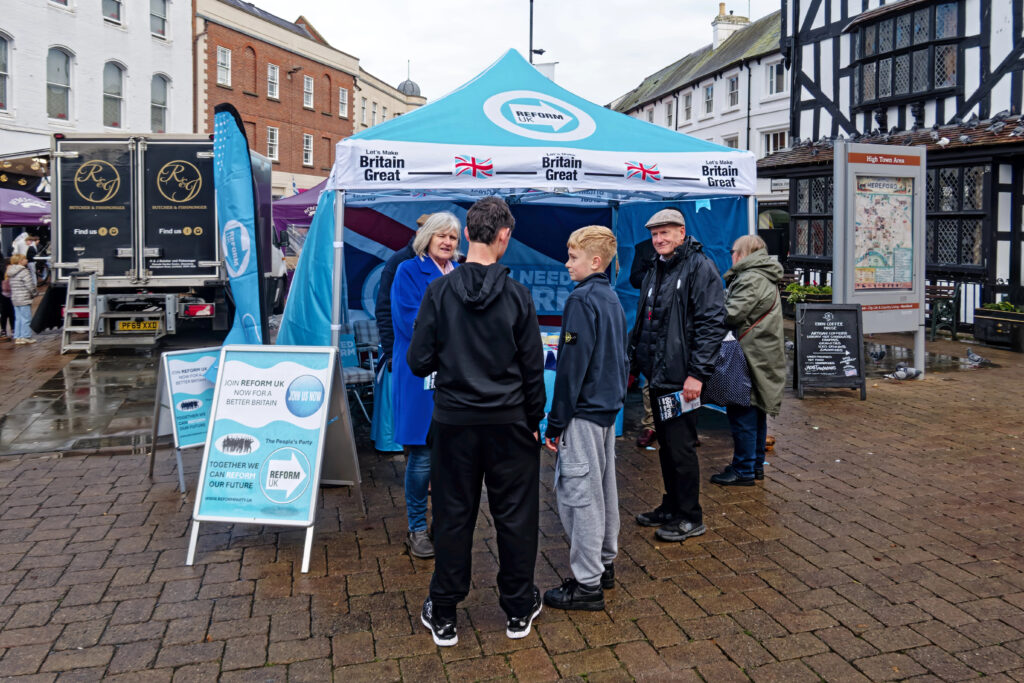
How did climate show up at the 2026 elections?