Climate Impacts

Report: How people of colour experience climate change in Britain

05 October 2023

A new report explores the personal experiences of climate change by people of colour in the UK.

Charles Ogunbode and colleagues report that awareness (and reported experience) of climate change is high: 92% of British people of colour believe that climate change is happening, 61% report experiencing impacts of climate change, and 85% are really worried about the impact of climate change in places other than the UK.

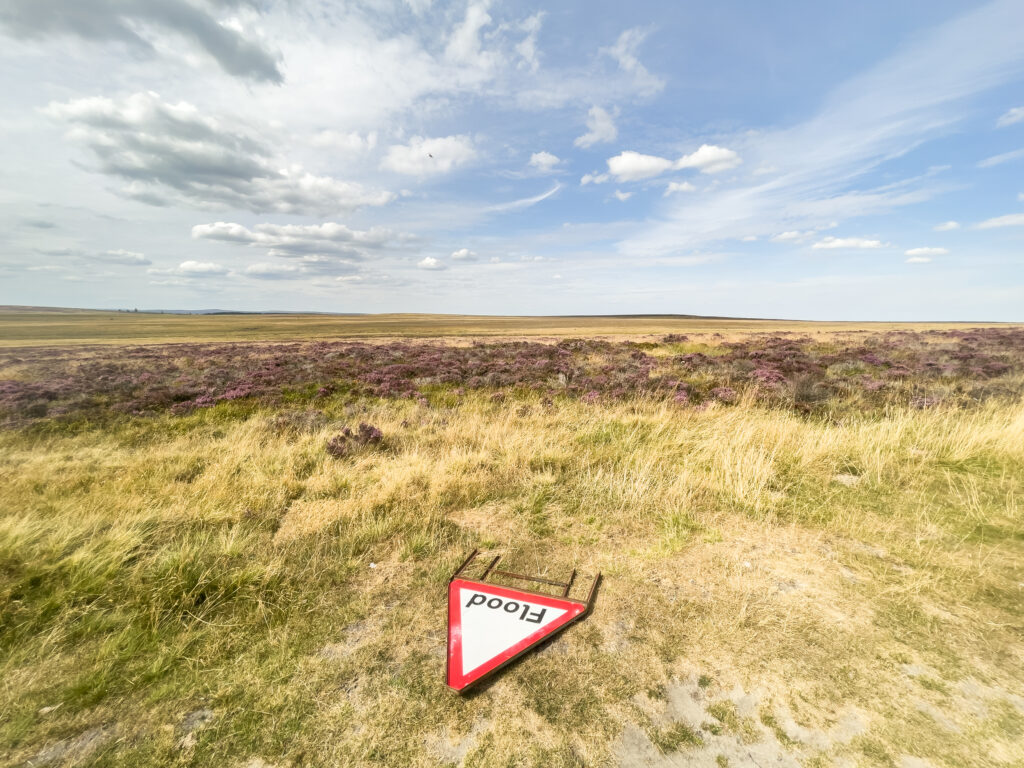
The impacts of climate change experienced by British people of colour in the UK include heat waves (over 60%), severe snow disruptions (25%) and flooding in their local area (20%).

Beyond self-reported experiences of extreme weather, some disproportionate effects of climate change are harder to document – the report notes that London’s Black African and Caribbean population are the most exposed to air pollution, which causes approximately 40,000 deaths per year in the UK, and contributes to many adverse health conditions. 

Reference article:

  • Authors: Charles Ogunbode, Nick Anim, Jeremy Kidwell, Amiera Sawas, Serayna Solanki

The latest from the Climate Impacts timeline:

Opinion Insight 4th September 2025

UK’s hottest summer on record

Following months of sweltering heatwaves, record-breaking wildfires and five regions in drought, this week it was provisionally confirmed that 2025 was the UK’s hottest summer on record.

While this new record  was made ‘70 times’ more likely by climate change, the overwhelming sentiment is that the country is not prepared for more summers like this. The UK’s official climate advisors, practitioners who work on the frontline of the heatwave response, and the British public all agree that the UK isn’t ready for more extreme weather,worsening heat, and compounding risks like water scarcity and wildfires.

At the same time, there are important perception gaps to address. Despite the alarming statistics about heat-related deaths in the UK, many people were looking forward to the first heatwaves this summer. Lots think that heatwaves will only become a problem for the UK in the future. And many believe that hot weather poses more of a risk to other people, not themselves.

In this context there are important conversations now happening about how to grapple with the growing climate risks in the UK, including the sudden lurch towards air conditioning (despite its potential to make heat risks worse).

For more on the key issues surrounding heat communication, check out our recent opinion piece in Climate Home News.

Opinion Insight 29th July 2025

Linking impacts to net zero

The link between climate impacts and net zero isn’t always easy to explain, but it matters. We need to cut emissions to limit the worst effects of climate change. But for many people, the link between net zero and real-world impacts like extreme heat or flooding can feel abstract or distant. So how can we make the link?

As part of his first annual climate statement to Parliament, Miliband warned that the climate crisis cannot be ignored. He called out politicians rejecting net zero as “betraying future generations” and said the shared commitment to tackling climate change “must not disappear by default”.

Climate action as a way of staying true to future generations echoes the public’s view on why tackling climate change matters. As Climate Barometer data shows, when asked what they thought were the most convincing arguments for pursuing net zero, Britons were most likely to select the idea that “We owe it to our children and grandchildren to take action to reduce our emissions now; otherwise it is they who will suffer the most” (35%).

This focus on protecting future generations also aligns with what makes climate change feel most urgent to people. New research shows that presenting climate impacts in binary terms is more effective in making it seem more real and imminent than showing average trend data. As extreme weather events gradually become more frequent and severe due to climate change, people tend to become accustomed to the new normal, also called the ‘boiling frog’ effect, and struggle to identify abnormal weather patterns over time.

Presenting climate change in binary terms helps to overcome that. In the study, people found a graph showing whether a fictional lake froze each winter more impactful than a chart of rising average temperatures in a fictional town. This research highlights how important it is to use clear before-and-after examples when talking about climate impacts.

Alongside message testing which suggests it’s helpful to frame climate impacts as “unnatural disasters” while making clear links to policies, these insights could help make climate communication resonate with the British public’s real and sustained concerns.

Opinion Insight 29th July 2025

Miliband on climate impacts

As the UK’s third summer heatwave drew to a close, Ed Miliband used his first annual climate statement to Parliament to warn of the growing impacts of climate breakdown in the UK, backed by the Met Office’s latest State of the UK Climate report.

The report shows how extreme weather is now the norm in the UK, with data from hundreds of weather stations revealing that the hottest days are becoming more frequent and severe, and intense rainfall has increased.

The same day the State of the UK Climate report was released, Climate Barometer’s Niall McLoughlin published an opinion piece in Climate Home News, highlighting the urgent need for better communication around extreme heat.

Niall explains that despite improvements to heat warnings, a disjointed landscape of heat communications means that many people feel the UK is poorly prepared for heat risks. Drawing on a range of opinion insights, he calls for improvements such as using social research to tailor communication, focusing more on longer-term heat preparedness, and closing perception gaps which may lead people to underestimate risks.

He points also to locally-led tree planting projects as an example of the kind of long-term, community-based preparation needed. Separate research from Cardiff University shows that such efforts must accelerate significantly to help cities adapt to intensifying heatwaves. Their new findings reveal that urban tree planting can cut city temperatures by up to 5°C, making it one of the most effective tools for cooling overheated streets.

View Climate Impacts timeline now

Add Feedback