• Overview
  • Jul '26
    Stories of extreme weather and local community action across the UK
  • The Birmingham school making changes to cope with heat
  • Jun '26
    How a local business in Birmingham is adapting to extreme heat
  • May '26
    The Welsh farmers tackling wildfires
  • Nov '25
    The Islington Business Climate Resilience Toolkit
Content Type

Local Insights

Filter content Please note: The page will automatically update when any filters are changed or set.
    Local Insights 20th July 2026

    Stories of extreme weather and local community action across the UK

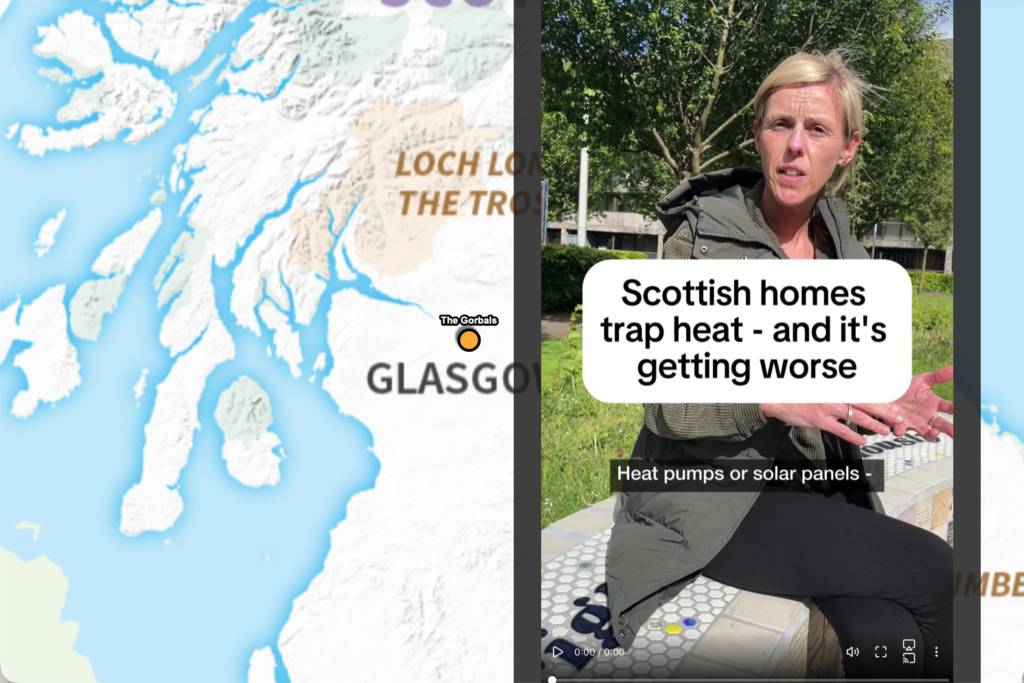
    A new piece by Local Storytelling Exchange brings together people’s experiences of extreme weather: from tree planting to preventing waterlogged cricket pitches, to shading schools from the rising heat. Amidst growing climate impacts, Exchange are sharing stories and multimedia content to highlight how people in Britain are already adapting to extreme weather, including heatwaves, drought and floods – and spotlighting that they can’t do it alone. Here are a couple of quotes from contributors:

    “It’s really challenging when you have relatively small classrooms with up to 30 children and multiple adults. When it’s over 30 degrees in the summer, it’s suffocating.”–Rona Mackie, head teacher at Guildford Grove Primary School

    “Houses in Scotland are built to retain heat, which is great in the winter, but it’s problematic if you’re getting temperatures of 30 degrees and your flat is sitting at 27 or 28 degrees for a few days on end. The consequences of that could be massive ” – Dani Waddell, manager of Crossroads Youth and Community Association (also covered in the Glasgow Times)

    • Author: Local Storytelling Exchange
    • Date: 20th July 2026
    Local Insights 15th July 2026

    The Birmingham school making changes to cope with heat

    Ark Tindal Primary Academy in Balsall Heath, have installed a “shade sail” to keep their pupils cool, as well as relaxing uniform rules. They are now fundriaisng to plant trees as a long-term solution. 

    Speaking about the changes, Dr Claire Smith, operations manager and sustainability lead at the school said she and her colleagues had noticed a “huge difference” since the shading canopy was installed last year:

    “We’re surrounded by brick on all sides, so it gets incredibly hot here in the summer when the sun’s beating down on the playground.” “We went out to lots of contractors – we wanted to go down a natural route so we went for a wooden structure in our [green] school colours.”

    “It’s essential to get children outside as much as possible. Their behaviour is so much better when they get the chance to run off some energy at lunchtime, so I think structures like this that make the outside accessible throughout the year make a huge difference.”

    Photo credit: Josh Neicho.

    Dr Claire Smith with pupils at the school

    • Source: Birmingham Live
    • Author: Hannah Ahmed
    • Date: 15th July 2026
    Local Insights 24th June 2026

    How a local business in Birmingham is adapting to extreme heat

    Amidst ‘red’ level heat warnings, a dim sum restaurant in Birmingham’s Chinatown has made significant changes to ensure it can stay open, and it’s workers stay cool. This includes replacing fridges, installing fans, as well as providing water and cool spaces so staff don’t overheat. The story covered by Channel 4 News was made possible by the work of Local Storytelling Exchange.

    Local Insights 24th May 2026

    The Welsh farmers tackling wildfires

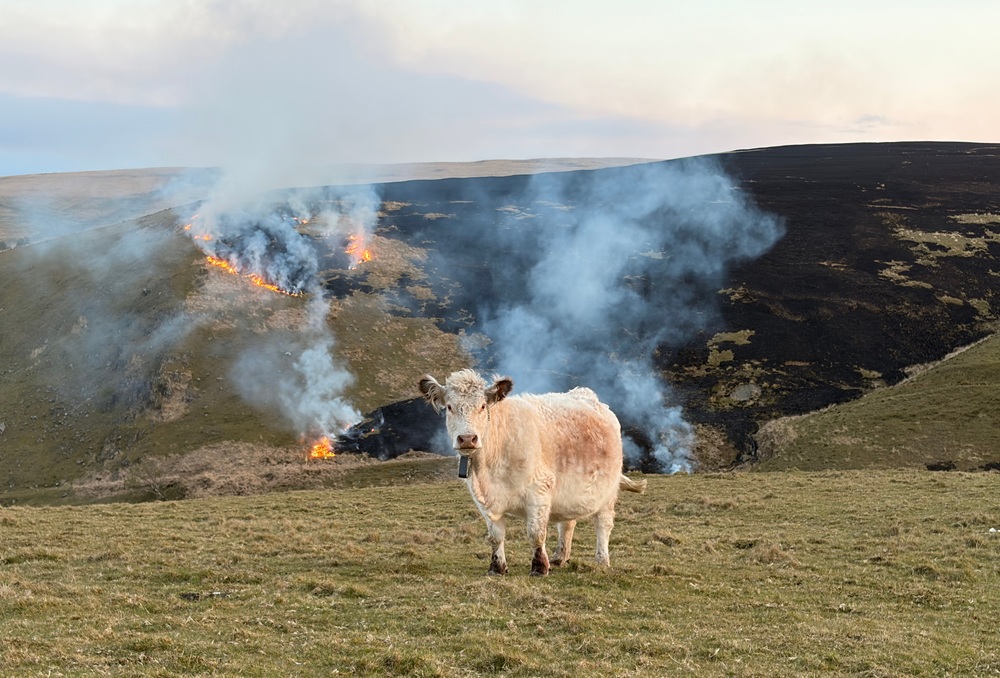
    Welsh farmers are showing how nature-based approaches can help prevent the spread of wildfires. In Elan Valley, farmer Sorcha Lewis watched a wildfire descend from the uplands to the back of her house. But amidst the devastation, one piece of land stayed untouched: a section of peatland that had recently been re-wetted. This story, which offers insights into positive ways forward for upland farming, was published widely – including on Nation Cymru (see here for a video by Local Storytelling Exchange). This echoes other stories of fire-sensitive farming in Wales, such as the ‘cow firefighters’ who keeping the Gower common safe from wildfires (see ITV Wales coverage here).

    Photo credit: Sorcha Lewis

    Local Insights 14th November 2025

    The Islington Business Climate Resilience Toolkit

    The Islington Business Climate Resilience Toolkit helps businesses of all sizes take practical steps toward building resilience against a changing climate. The aim is to help businesses, from high-street retailers to co-working architectural practices, find relevant climate resilience guidance.

    Covering a range of climate risks – including overheating, drought and flooding – it offers a simple way to assess exposure to climate risks (see image for example), prioritise actions, find sector-specific advice, and access practical measures that can be implemented.

    Through practical advice, checklists and more – it supports businesses to decarbonise by reducing reliance on fossil fuels, adapt to a changing climate, and work with communities to build collective resilience and long-term sustainability.

    • Source: Islington Sustainability Network
    • Authors: Love Design Studio, Shade the UK
    • Date: 14th November 2025

Add Feedback