Political Leadership

New Labour government elected

07 July 2024

Labour won a large majority in the 2024 General Election, increasing the number of Labour MPs in Parliament to 412. The Labour win was delivered on an historically low turnout, and via a small rise in Labour’s vote share compared to 2019.

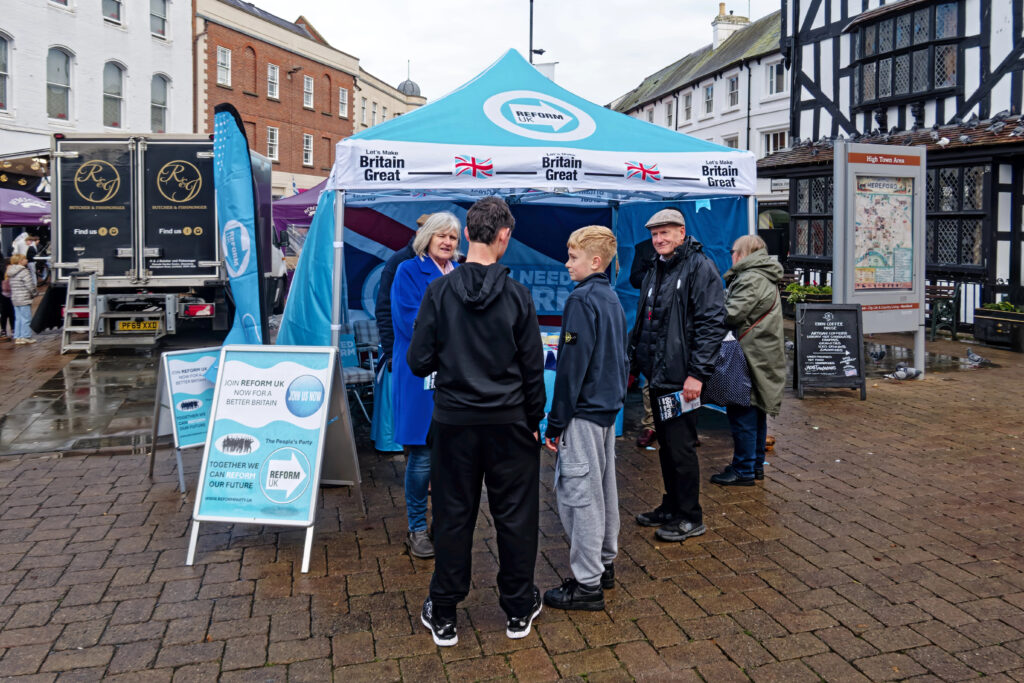
The result ushers in a government that will be (relatively) bolder on climate and net zero policy, compared to the outgoing Conservative government, who sustained their worst ever electoral defeat. Parliament now has a number of new pro-climate MPs, not only in Labour but in the Liberal Democrats and the Green Party (both of which saw surges in their vote share). Reform UK, the only party standing on an anti-net zero ticket, also saw a surge in support.

The latest from the Political Leadership timeline:

Opinion Insight 10th February 2026

What drives support for local energy infrastructure?

The government’s newly published Local Power Plan points the country in a direction that the British public support: clean energy that’s transparent, affordable, and delivers real benefits to communities and their local environments.

When we asked about the three most important factors for involving local communities on infrastructure proposals, both the public and MPs were most likely to select “clear, plain language information about the project and its impacts” and “being asked for views early, before decisions are made”. These were followed by “a clear explanation of how views influenced the final decision” for MPs and “independent or trusted organisations running the process” for the public.

When we asked which 3 factors people felt were most important in terms of influencing their support or opposition for local infrastructure projects, they picked: the project’s impact on the local environment, on energy bills and on the local community as the top considerations.

These three priorities are consistently the highest for all groups across age, gender, region, social grade, housing tenure, political support, education level, ethnicity, and whether they live in urban or rural areas; a rare point of alignment between these different subgroups of the public.

Strikingly, what made much less of a difference were people’s views about climate change and net zero.

This doesn’t mean that belief in (or concern about) climate change isn’t a critical foundation on which to build engagement around clean energy in general (this is the core idea behind linking the ‘how and the why’ on net zero, as we argued in our recent message testing work with Public First).

But when it comes to specific clean energy projects, the local impacts and financial considerations loom larger: as the transition becomes ever more place-based, this trend is only likely to accelerate.

View Political Leadership timeline now

Add Feedback