Climate Impacts

The public want urgent action on floods, heat, and droughts

21 May 2026
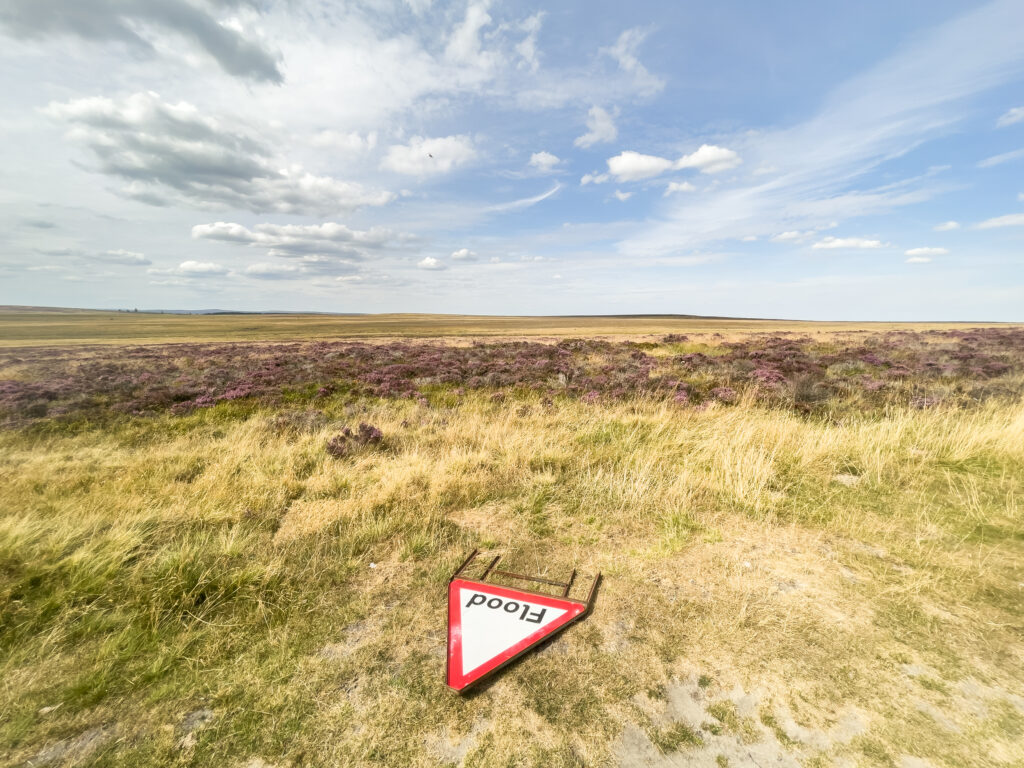
Photograph: Wendy North via Flickr

The Climate Change Committee published its latest stock take of climate preparedness, painting a stark picture of floods, heat risks and possible water shortages in the UK – while emphasising how much can still be done to support, protect and prepare communities.

It highlights that 92% of the country’s homes are likely to ‘overheat’ by the middle of the century – while peak river floods could be 45% higher, and water shortfalls could exceed five billion litres per day. Inaction could cost anywhere between £60-£260 billion per year.

But behind these facts, figures and headlines are countless real stories of people already struggling with floods, storms, heat and droughts here in the UK – as well as powerful stories of change as communities take action to both recover and prepare.

Most people now say they have experienced climate impacts

“Pupils often complain about feeling sick on hot days – some suffer from headaches, some have fainted.”


Simon, Geography Teacher, Cumbria (via Shade The UK)

Whether it’s classrooms overheating in Keswick, coastal homes being battered by storms in Torcross, or firefighters repeatedly tackling wildfires in the Scottish Highlands – people across the UK are feeling the impacts of climate change here and now.

Most people (69%) now believe the UK is already experiencing the impacts of climate change. And in 2026, a majority report one or more direct climate experiences themselves – as illustrated in new survey data being released today by Climate Barometer, in collaboration with Flooded People.

The findings, from a nationally representative UK survey, show that heatwaves and extreme heat are the most commonly experienced climate impact (felt by 46%). A third have experienced ‘severe storms’ (30%), and a fifth say they have been directly affected either by flooding or poor air quality (both 21%). It’s less than a third (29%) who still say they have “no experience of impacts” at all.

Alongside this, new data from Public First shows that the public believe these types of risks are becoming more frequent and severe – with nine in ten (87%) expecting the UK to be impacted again in the next five years.

It’s perhaps no surprise that the vast majority (81%) think we are unprepared for the worst impacts of climate change, while very few (16%) say the UK has made “good progress” on adaptation.

The public want leaders to prioritise preparedness now

“Overall, there is an awful lot of work to do to highlight the many health impacts of climate change and try to mitigate them.” 

Angie Willis, Midwife, Wiltshire (via Round Our Way)

The Climate Change Committee’s public panel said they wanted to see adaptation “happening now” and for it to be done “properly”. This means “long-lasting preventative solutions” to ensure vulnerable members of society are kept safe.

With this sentiment in mind, communities across the nations are already taking action to protect themselves – whether that’s the group planting thousands of trees to slow the flow in Ceredigion, the Colchester cricket club changing how they drain and store water, or the farmer in East Anglia using nature-friendly approaches to protect against floods and droughts.

But to further protect and prepare people, the public wants leaders to prioritise climate protection here and now. Our new opinion data shows that nearly three quarters (71%) believe the government should make adapting to climate risks like floods, heat, and droughts an “urgent, top priority”. Only a minority (15%) disagreed.

And while experts in the climate sector separate out ‘adaptation’ and ‘mitigation’, our new data shows that a majority (55%) think these two broad responses should be prioritised equally (echoing previous insights). In other words – the public wants to see greater action on impacts, preparedness and protection alongside efforts to cut carbon emissions.

The public think risk creators should foot the bill

The CCC highlights that “that the public is often unsure who is responsible” – describing this as “complex” and “fragmented” in contexts like flooding. However, the public opinion data looks increasingly clear when it comes to the overarching response.

When asked who is ‘most responsible’ for impact preparedness, a majority (69%) point to the UK government. And when we asked ‘who should pay?’ – the public are clear that the “biggest contributors” to climate impacts like floods, storms and heat risks should foot more of the bill.

In our new data, more than three quarters (76%) agreed that “fossil fuel companies, developers and utility companies making large profits should have to ‘pay for protection, clean-up and recovery costs’ to ease the burden on impacted homeowners, communities, and businesses”. Just 9% opposed the idea.

This aligns with polling from last year by Oxfam and Greenpeace, which found that the vast majority (79%) of Brits believe that polluters, like oil and gas companies, should help cover the costs of floods, wildfires, droughts, and health impacts.

Clear signals on climate preparedness

Today’s report reminds us about the need to take climate impacts much more seriously in the UK. Schools and hospitals overheating, more homes being flooded, and the risk of water shortfalls can no longer be an afterthought.

The CCC highlights that the government now needs to “lead a public dialogue about the level of resilience people expect and their willingness to pay for it”.

But many of the signals are already clear. To get truly ‘well adapted’, people want to see much more action from the government, for climate preparedness to be prioritised alongside investment in renewables, and for protection and recovery to be paid for by polluters and risk makers.

The latest from the Climate Impacts timeline:

Opinion Insight 4th September 2025

UK’s hottest summer on record

Following months of sweltering heatwaves, record-breaking wildfires and five regions in drought, this week it was provisionally confirmed that 2025 was the UK’s hottest summer on record.

While this new record  was made ‘70 times’ more likely by climate change, the overwhelming sentiment is that the country is not prepared for more summers like this. The UK’s official climate advisors, practitioners who work on the frontline of the heatwave response, and the British public all agree that the UK isn’t ready for more extreme weather,worsening heat, and compounding risks like water scarcity and wildfires.

At the same time, there are important perception gaps to address. Despite the alarming statistics about heat-related deaths in the UK, many people were looking forward to the first heatwaves this summer. Lots think that heatwaves will only become a problem for the UK in the future. And many believe that hot weather poses more of a risk to other people, not themselves.

In this context there are important conversations now happening about how to grapple with the growing climate risks in the UK, including the sudden lurch towards air conditioning (despite its potential to make heat risks worse).

For more on the key issues surrounding heat communication, check out our recent opinion piece in Climate Home News.

Opinion Insight 29th July 2025

Linking impacts to net zero

The link between climate impacts and net zero isn’t always easy to explain, but it matters. We need to cut emissions to limit the worst effects of climate change. But for many people, the link between net zero and real-world impacts like extreme heat or flooding can feel abstract or distant. So how can we make the link?

As part of his first annual climate statement to Parliament, Miliband warned that the climate crisis cannot be ignored. He called out politicians rejecting net zero as “betraying future generations” and said the shared commitment to tackling climate change “must not disappear by default”.

Climate action as a way of staying true to future generations echoes the public’s view on why tackling climate change matters. As Climate Barometer data shows, when asked what they thought were the most convincing arguments for pursuing net zero, Britons were most likely to select the idea that “We owe it to our children and grandchildren to take action to reduce our emissions now; otherwise it is they who will suffer the most” (35%).

This focus on protecting future generations also aligns with what makes climate change feel most urgent to people. New research shows that presenting climate impacts in binary terms is more effective in making it seem more real and imminent than showing average trend data. As extreme weather events gradually become more frequent and severe due to climate change, people tend to become accustomed to the new normal, also called the ‘boiling frog’ effect, and struggle to identify abnormal weather patterns over time.

Presenting climate change in binary terms helps to overcome that. In the study, people found a graph showing whether a fictional lake froze each winter more impactful than a chart of rising average temperatures in a fictional town. This research highlights how important it is to use clear before-and-after examples when talking about climate impacts.

Alongside message testing which suggests it’s helpful to frame climate impacts as “unnatural disasters” while making clear links to policies, these insights could help make climate communication resonate with the British public’s real and sustained concerns.

Opinion Insight 29th July 2025

Miliband on climate impacts

As the UK’s third summer heatwave drew to a close, Ed Miliband used his first annual climate statement to Parliament to warn of the growing impacts of climate breakdown in the UK, backed by the Met Office’s latest State of the UK Climate report.

The report shows how extreme weather is now the norm in the UK, with data from hundreds of weather stations revealing that the hottest days are becoming more frequent and severe, and intense rainfall has increased.

The same day the State of the UK Climate report was released, Climate Barometer’s Niall McLoughlin published an opinion piece in Climate Home News, highlighting the urgent need for better communication around extreme heat.

Niall explains that despite improvements to heat warnings, a disjointed landscape of heat communications means that many people feel the UK is poorly prepared for heat risks. Drawing on a range of opinion insights, he calls for improvements such as using social research to tailor communication, focusing more on longer-term heat preparedness, and closing perception gaps which may lead people to underestimate risks.

He points also to locally-led tree planting projects as an example of the kind of long-term, community-based preparation needed. Separate research from Cardiff University shows that such efforts must accelerate significantly to help cities adapt to intensifying heatwaves. Their new findings reveal that urban tree planting can cut city temperatures by up to 5°C, making it one of the most effective tools for cooling overheated streets.

View Climate Impacts timeline now

Add Feedback