Climate Impacts

How do the public engage with climate ‘adaptation’ in 2026?

03 August 2026

New research by Climate Outreach shows that support for adaptation action significantly increases when people are shown tangible solutions, such as heatproofing our homes and restoring natural flood defences.

The study – a survey of 7,000 people across Britain and in-depth focus groups across the UK – found that:

  • Most people give equal support for actions that count as adaptation and mitigation. A majority recognises that both adapting to intensifying climate impacts and lowering our future carbon emissions are of equal importance.
  • The terms ‘climate adaptation’ and ‘climate resilience’ aren’t widely understood. Only half of people know what ‘climate adaptation’ means, whilst less than half know what ‘climate resilience’ is.
  • The way climate adaptation is framed makes a huge difference to how much people support it. The more we explain what adaptation actions are and why we are doing them, the more people support the action.

This echoes findings from Climate Barometer’s tracker which shows that adaptation and mitigation are supported equally, as well as past research by Climate Outreach/Cardiff University showing that the public see these broad responses as “two sides of the same coin“.

Reference article:

  • Source: Climate Outreach
  • Author: Climate Outreach
  • Date: 14th July 2026

The latest from the Climate Impacts timeline:

From the Climate Community 20th July 2026

Stories of extreme weather and community action across the UK

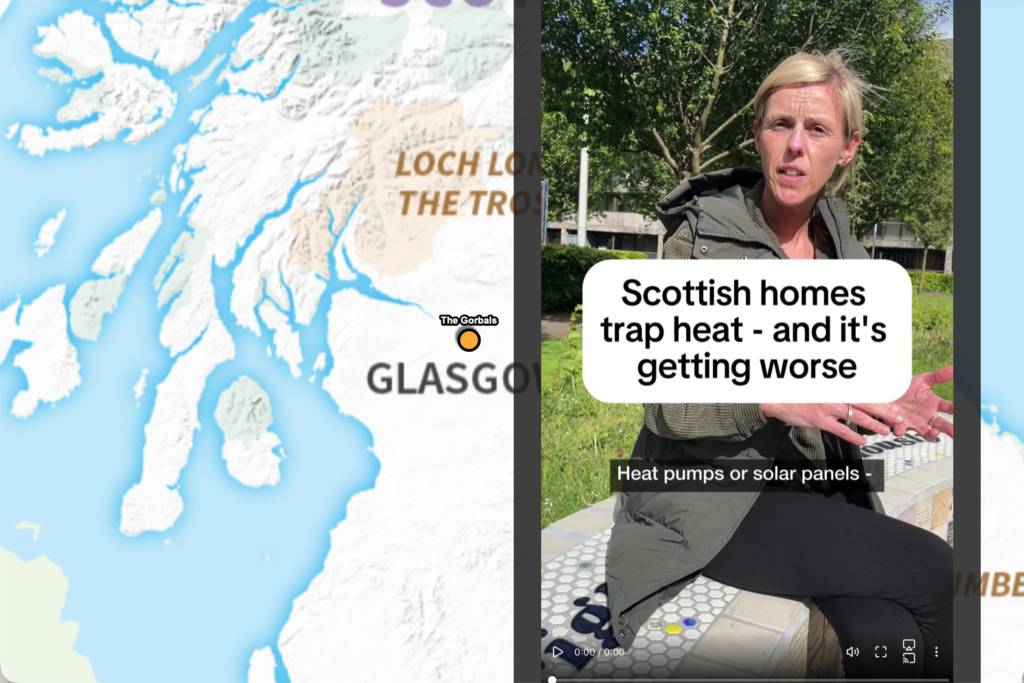
A new piece by Local Storytelling Exchange brings together people’s experiences of extreme weather: from tree planting to preventing waterlogged cricket pitches, to shading schools from the rising heat. Amidst “The new normal”, Exchange are sharing stories and multimedia content to highlight how people in Britain are already adapting to extreme weather, including heatwaves, drought and floods – and spotlighting that they can’t do it alone. Here are a couple of quotes from contributors:

“It’s really challenging when you have relatively small classrooms with up to 30 children and multiple adults. When it’s over 30 degrees in the summer, it’s suffocating.”–Rona Mackie, head teacher at Guildford Grove Primary School

“Houses in Scotland are built to retain heat, which is great in the winter, but it’s problematic if you’re getting temperatures of 30 degrees and your flat is sitting at 27 or 28 degrees for a few days on end. The consequences of that could be massive ” – Dani Waddell, manager of Crossroads Youth and Community Association


  • Author: Local Storytelling Exchange
  • Date: 20th July 2026
Opinion Insight 15th June 2026

Britons view climate preparedness as an urgent, top priority

New survey data shows that nearly three quarters (71%) believe the government should make adapting to climate risks like floods, heat, and droughts an “urgent, top priority”, while only a minority (15%) disagreed.

The findings, from a nationally representative UK survey in collaboration with Flooded People, highlight the public desire for action on impacts like floods, storms, heat and drought.

While experts in the climate sector separate out ‘adaptation’ and ‘mitigation’, our new data shows that a majority (55%) think these two broad responses should be prioritised equally (echoing our previous tracker insights).

The survey also showed that most people report one or more direct experience of climate impacts. Heatwaves and extreme heat are the most commonly experienced climate impact (felt by 46%). A third have experienced ‘severe storms’ (30%), and a fifth say they have been directly affected either by flooding or poor air quality (both 21%). It’s less than a third (29%) who still say they have “no experience of impacts” at all.

View Climate Impacts timeline now

Add Feedback