Climate Impacts

The public want urgent action on floods, heat, and droughts

21 May 2026
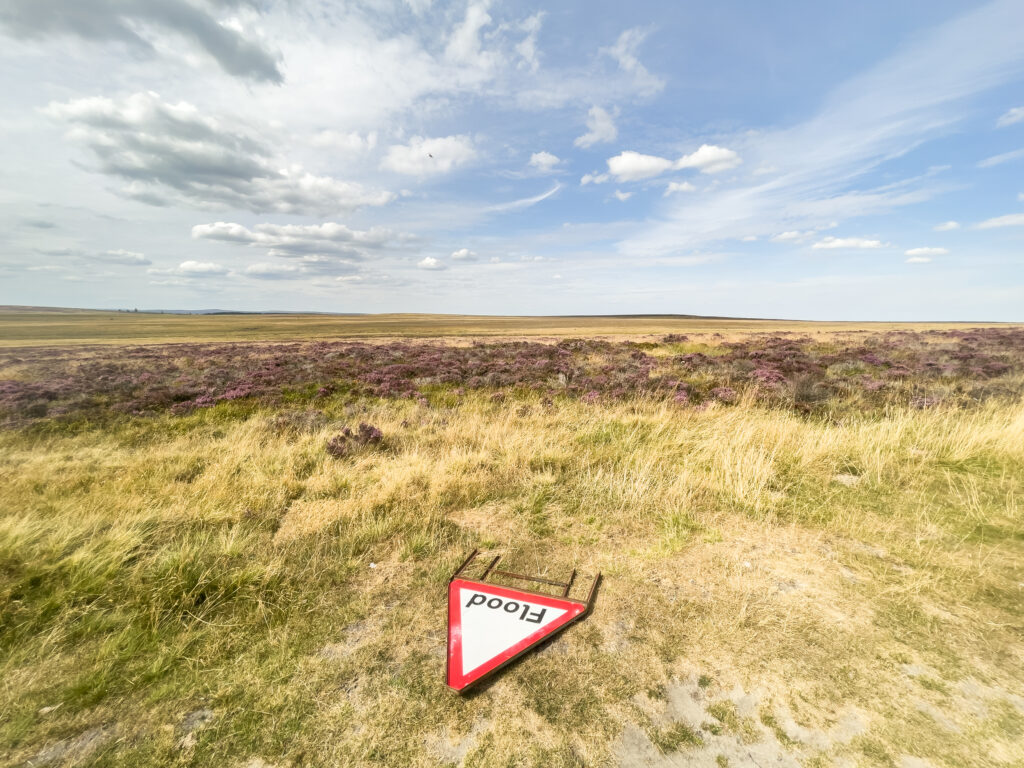
Photograph: 'Haweswater' by Niall McLoughlin

The Climate Change Committee published its latest stock take of climate preparedness, painting a stark picture of floods, heat risks and possible water shortages in the UK – while emphasising how much can still be done to support, protect and prepare communities.

It highlights that 92% of the country’s homes are likely to ‘overheat’ by the middle of the century – while peak river floods could be 45% higher, and water shortfalls could exceed five billion litres per day. Inaction could cost anywhere between £60-£260 billion per year.

But behind these facts, figures and headlines are countless real stories of people already struggling with floods, storms, heat and droughts here in the UK – as well as powerful stories of change as communities take action to both recover and prepare.

Most people now say they have experienced climate impacts

“Pupils often complain about feeling sick on hot days – some suffer from headaches, some have fainted.”


Simon, Geography Teacher, Cumbria (via Round Our Way)

Whether it’s classrooms overheating in Keswick, coastal homes being battered by storms in Torcross, or firefighters repeatedly tackling wildfires in the Scottish Highlands – people across the UK are feeling the impacts of climate change here and now.

Most people (69%) now believe the UK is already experiencing the impacts of climate change. And in 2026, a majority report one or more direct climate experiences themselves – as illustrated in new survey data being released today by Climate Barometer, in collaboration with Flooded People.

The findings, from a nationally representative UK survey, show that heatwaves and extreme heat are the most commonly experienced climate impact (felt by 46%). A third have experienced ‘severe storms’ (30%), and a fifth say they have been directly affected either by flooding or poor air quality (both 21%). It’s less than a third (29%) who still say they have “no experience of impacts” at all.

Alongside this, new data from Public First shows that the public believe these types of risks are becoming more frequent and severe – with nine in ten (87%) expecting the UK to be impacted again in the next five years.

It’s perhaps no surprise that the vast majority (81%) think we are unprepared for the worst impacts of climate change, while very few (16%) say the UK has made “good progress” on adaptation.

The public want leaders to prioritise preparedness now

“Overall, there is an awful lot of work to do to highlight the many health impacts of climate change and try to mitigate them.” 

Angie Willis, Midwife, Wiltshire (via Round Our Way)

The Climate Change Committee’s public panel said they wanted to see adaptation “happening now” and for it to be done “properly”. This means “long-lasting preventative solutions” to ensure vulnerable members of society are kept safe.

With this sentiment in mind, communities across the nations are already taking action to protect themselves – whether that’s the group planting thousands of trees to slow the flow in Ceredigion, the Colchester cricket club changing how they drain and store water, or the farmer in East Anglia using nature-friendly approaches to protect against floods and droughts.

But to further protect and prepare people, the public wants leaders to prioritise climate protection here and now. Our new opinion data shows that nearly three quarters (71%) believe the government should make adapting to climate risks like floods, heat, and droughts an “urgent, top priority”. Only a minority (15%) disagreed.

And while experts in the climate sector separate out ‘adaptation’ and ‘mitigation’, our new data shows that a majority (55%) think these two broad responses should be prioritised equally (echoing previous insights). In other words – the public wants to see greater action on impacts, preparedness and protection alongside efforts to cut carbon emissions.

The public think risk creators should foot the bill

The CCC highlights that “that the public is often unsure who is responsible” – describing this as “complex” and “fragmented” in contexts like flooding. However, the public opinion data looks increasingly clear when it comes to the overarching response.

When asked who is ‘most responsible’ for impact preparedness, a majority (69%) point to the UK government. And when we asked ‘who should pay?’ – the public are clear that the “biggest contributors” to climate impacts like floods, storms and heat risks should foot more of the bill.

In our new data, more than three quarters (76%) agreed that “fossil fuel companies, developers and utility companies making large profits should have to ‘pay for protection, clean-up and recovery costs’ to ease the burden on impacted homeowners, communities, and businesses”. Just 9% opposed the idea.

This aligns with polling from last year by Oxfam and Greenpeace, which found that the vast majority (79%) of Brits believe that polluters, like oil and gas companies, should help cover the costs of floods, wildfires, droughts, and health impacts.

Clear signals on climate preparedness

Today’s report reminds us about the need to take climate impacts much more seriously in the UK. Schools and hospitals overheating, more homes being flooded, and the risk of water shortfalls can no longer be an afterthought.

The CCC highlights that the government now needs to “lead a public dialogue about the level of resilience people expect and their willingness to pay for it”.

But many of the signals are already clear. To get truly ‘well adapted’, people want to see much more action from the government, for climate preparedness to be prioritised alongside investment in renewables, and for protection and recovery to be paid for by polluters and risk makers.

The latest from the Climate Impacts timeline:

Opinion Insight 3rd August 2026

How do the public engage with climate ‘adaptation’ in 2026?

New research by Climate Outreach shows that support for adaptation action significantly increases when people are shown tangible solutions, such as heatproofing our homes and restoring natural flood defences.

The study – a survey of 7,000 people across Britain and in-depth focus groups across the UK – found that:

  • Most people give equal support for actions that count as adaptation and mitigation. A majority recognises that both adapting to intensifying climate impacts and lowering our future carbon emissions are of equal importance.
  • The terms ‘climate adaptation’ and ‘climate resilience’ aren’t widely understood. Only half of people know what ‘climate adaptation’ means, whilst less than half know what ‘climate resilience’ is.
  • The way climate adaptation is framed makes a huge difference to how much people support it. The more we explain what adaptation actions are and why we are doing them, the more people support the action.

This echoes findings from Climate Barometer’s tracker which shows that adaptation and mitigation are supported equally, as well as past research by Climate Outreach/Cardiff University showing that the public see these broad responses as “two sides of the same coin“.

  • Source: Climate Outreach
  • Author: Climate Outreach
  • Date: 14th July 2026
From the Climate Community 20th July 2026

Stories of extreme weather and community action across the UK

A new piece by Local Storytelling Exchange brings together people’s experiences of extreme weather: from tree planting to preventing waterlogged cricket pitches, to shading schools from the rising heat. Amidst “The new normal”, Exchange are sharing stories and multimedia content to highlight how people in Britain are already adapting to extreme weather, including heatwaves, drought and floods – and spotlighting that they can’t do it alone. Here are a couple of quotes from contributors:

“It’s really challenging when you have relatively small classrooms with up to 30 children and multiple adults. When it’s over 30 degrees in the summer, it’s suffocating.”–Rona Mackie, head teacher at Guildford Grove Primary School

“Houses in Scotland are built to retain heat, which is great in the winter, but it’s problematic if you’re getting temperatures of 30 degrees and your flat is sitting at 27 or 28 degrees for a few days on end. The consequences of that could be massive ” – Dani Waddell, manager of Crossroads Youth and Community Association


  • Author: Local Storytelling Exchange
  • Date: 20th July 2026
Opinion Insight 15th June 2026

Britons view climate preparedness as an urgent, top priority

New survey data shows that nearly three quarters (71%) believe the government should make adapting to climate risks like floods, heat, and droughts an “urgent, top priority”, while only a minority (15%) disagreed.

The findings, from a nationally representative UK survey in collaboration with Flooded People, highlight the public desire for action on impacts like floods, storms, heat and drought.

While experts in the climate sector separate out ‘adaptation’ and ‘mitigation’, our new data shows that a majority (55%) think these two broad responses should be prioritised equally (echoing our previous tracker insights).

The survey also showed that most people report one or more direct experience of climate impacts. Heatwaves and extreme heat are the most commonly experienced climate impact (felt by 46%). A third have experienced ‘severe storms’ (30%), and a fifth say they have been directly affected either by flooding or poor air quality (both 21%). It’s less than a third (29%) who still say they have “no experience of impacts” at all.

View Climate Impacts timeline now

Add Feedback