Net Zero

Signal in the Noise: Trends in the UK climate discourse in 2023/24

11 December 2024

A story – told through data – of the climate discourse in the UK.  

Today we launch a new Climate Barometer publication – Signal in the Noise.

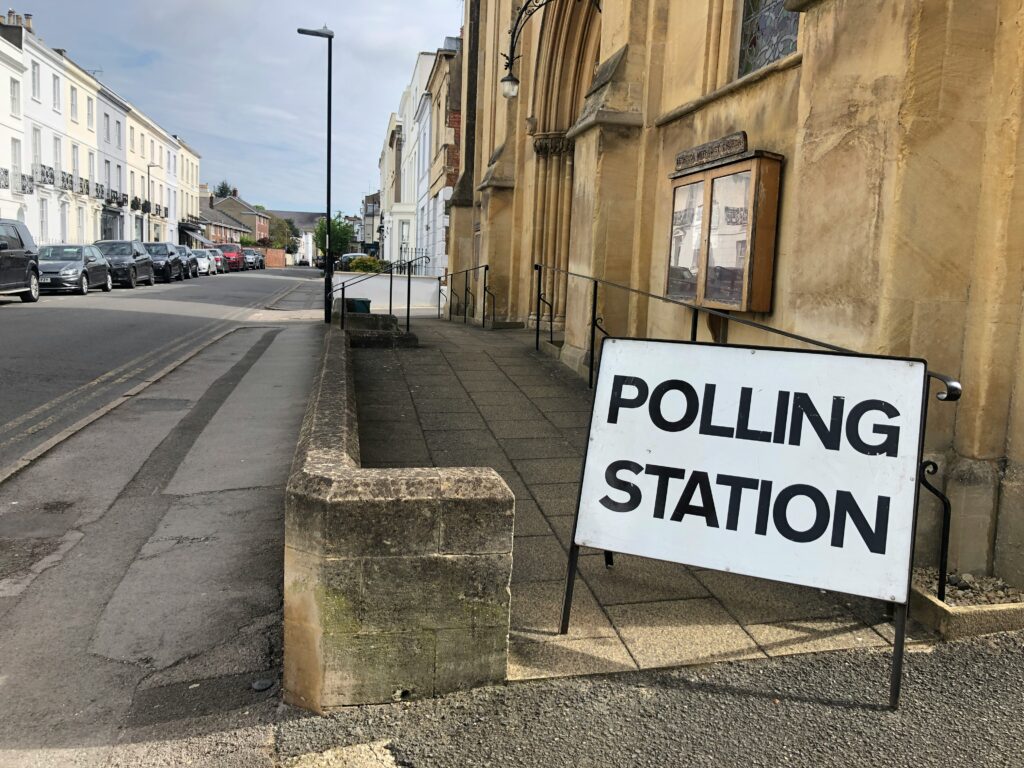
Signal in the Noise tracks trends in public opinion from the 2023 Uxbridge by-election to the first 100 days of Labour, set against the evolution of online narratives captured by ACT Climate Labs. 

Read it here to discover:

  • July 2023: How a by-election triggered a wave of anti-net zero rhetoric
  • August 2023: Why concerns about the costs of green policies continued to grow
  • September 2023: What led Rishi Sunak to water down the government’s net zero commitments
  • October 2023: A growth in misleading media coverage and increasing noise about NIMBYs discourse
  • January 2024: How a stormy start to 2024 revealed a disconnect in people’s perceptions of climate risks
  • February 2024: What led to Labour’s £28 billion backtrack
  • March 2024: Snowballing concerns around the ‘Great Grid Upgrade’
  • April 2024: What Reform voters think about climate change
  • May 2024: How the Conservatives focused on the ‘war on motorists’ in the run up to the General Election
  • July 2024: Why we now have the ‘greenest parliament ever’
  • July-Oct 2024: What dominated Labour’s first 100 days
  • Five signals in the noise that capture the climate discourse in the past 15 months


The latest from the Net Zero timeline:

Opinion Insight 27th November 2025

High public support for home insulation

While changes are being made to the Energy Companies Obligation and the Warm Homes Plan, our latest tracker poll shows that the majority (69%) of the public support government incentives for homeowners to improve home insulation. This support carries across voting lines, with even supporters of Reform, who are typically the least supportive of climate related policies, indicating majority approval (56% support).

The majority of the public are also supportive of financial support to low income families for green home upgrades. Not only is this a crucial aspect needed for a fair transition to clean energy, the relative consensus among the public is a rare opportunity.

Opinion Insight 26th November 2025

The government released its latest public opinion tracker figures

The number of people who agree ‘there is no such thing as climate change’ remains marginal: only 2% agreed with this statement in the latest opinion tracker from the Department for Energy Security and Net Zero.

It’s important – in a period of political instability and the fracturing of the climate consensus – to remind ourselves that despite the turbulence, outright denial of climate change is almost non-existent.

And most people (49% vs 22%) recognise that the energy transition will be positive for the country in the long-term.

But (backing up a signal that is getting louder by the day) the DESNZ data shows that concerns about the costs of green policies are growing, with a record high of people who think the economic consequences of the country’s transition to Net Zero will be negative in the short-term.

Labour has promised to reduce energy bills by £300 a year, and (long-term) the policies being introduced will likely deliver this. But short-term, the financial insecurities that people face (which have little to do with green policies) are being weaponised by opponents of climate action.

Whilst this happens, making the best case for what is currently on the table is equally critical: this requires connecting the ‘how’ and the ‘why’ of net zero alongside telling people’s stories to demonstrate that the transition is both achievable and effective. Read more about the takeaways from Climate Barometer & Public First’s recent net zero message testing research here. 

View Net Zero timeline now

Add Feedback